Best Self-Hosted AI Workflow Stack for Small Teams

A practical self-hosted AI workflow stack for small teams that need useful automation without building a platform too early.

This guide lays out a realistic self-hosted AI workflow stack for small teams, including what to self-host first, what to keep simple, and what to avoid overbuilding.

Difficulty Intermediate
Read Time 15 minutes

Related Tools

Details

The best self-hosted AI workflow stack for a small team is usually a simple one: a workflow orchestrator, a database or document store, a model provider or self-hosted model layer, observability, and a small set of internal integrations.

Small teams usually fail not because their stack is too weak, but because it is too ambitious. A good self-hosted stack should make it easy to run useful workflows such as lead research, internal knowledge lookup, recap generation, or request triage without creating a full platform engineering project.

How this stack was selected

  • Can be operated by a small technical team
  • Supports self-hosting and private infrastructure
  • Works for practical workflows rather than only demos
  • Can grow from workflow automation into AI-assisted operations

Recommended stack layers

Layer Recommended pattern Why it fits small teams
Workflow orchestration n8n or a similar self-hosted automation platform Fastest way to connect systems and control multi-step flows
Data layer Postgres, a document store, or existing internal DB Keeps records and intermediate results stable
Knowledge layer Docs, sheets, vector store only if needed Avoids overengineering retrieval too early
Model layer Managed API first, self-host only when justified Reduces operational burden while validating use cases
Observability Logs, alerts, execution history, basic tracing Helps small teams debug failures before scale

Core tools worth considering

n8n for orchestration

n8n is a strong starting point because it gives small teams a visual runtime for triggers, branching logic, APIs, and AI steps without forcing them into a full code-only platform on day one.

Postgres or an existing internal database

A small team needs a stable place for workflow state, records, and outputs. For many teams, the right answer is not a new AI-native store. It is the database they already know how to operate.

Model APIs before full self-hosted models

Many teams should start with API access to strong models and postpone self-hosting until usage, privacy, or unit economics truly require it. Self-hosting the orchestration layer is often more valuable early than self-hosting the model layer.

A lightweight knowledge layer

Use docs, sheets, and structured sources first. Add a vector database only when search and retrieval quality clearly justify the added complexity.

Alternative stack patterns

  • More automation-heavy stack: n8n + Postgres + managed LLM APIs + Slack or email outputs
  • More agent-heavy stack: LangGraph or Microsoft Agent Framework + n8n for action workflows + Postgres
  • More internal-tools stack: n8n + Postgres + BI or dashboard layer + approval workflows

What small teams should avoid

  • Starting with too many infrastructure components before validating one useful workflow
  • Adding a vector database because it sounds modern rather than because retrieval problems require it
  • Self-hosting both orchestration and models before the team can support operations
  • Building a multi-agent architecture before a single useful workflow is working reliably

Where templates help

Templates are especially helpful for small teams because they compress the time from stack setup to workflow validation. They are most useful for common flows such as enrichment, reporting, intake routing, and internal notifications.

Still, a template does not decide where your source of truth lives, how failures are handled, or which outputs must be structured. Those are stack decisions, not template decisions.

FAQ

Should a small team self-host the model layer too?

Often not at first. Self-host the workflow layer if you need control there, but keep the model layer managed until there is a strong reason to own it.

Do small teams need an agent framework?

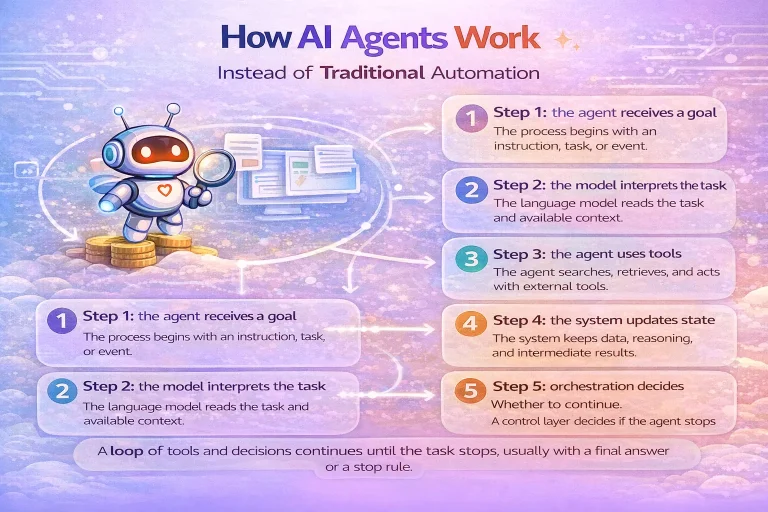
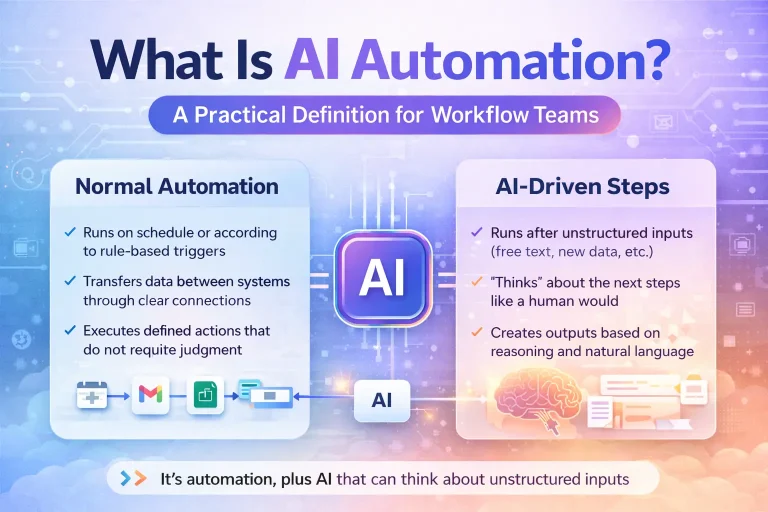
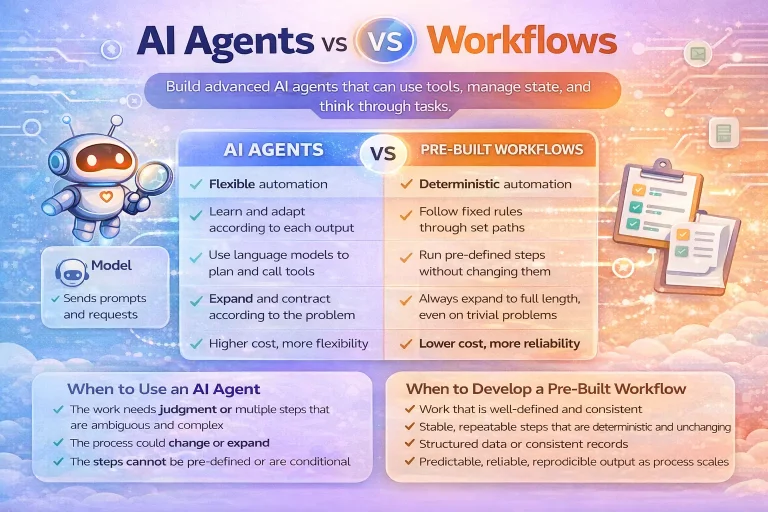
Not always. Many useful systems are better treated as workflows with AI steps rather than full agent platforms.

What is the best first self-hosted AI workflow to build?

Pick one bounded recurring workflow such as research enrichment, recap generation, or request routing. That gives the team a real operating loop without too much architecture.

Conclusion

The best self-hosted AI workflow stack for a small team is the one the team can actually operate. Start with a workflow orchestrator, a stable data layer, a narrow set of use cases, and as little extra infrastructure as possible.

Related Guides