
Is n8n Worth It? A Practical Review for AI and Automation Teams
A grounded look at when n8n is worth adopting and when a simpler automation tool is the better choice.
This guide evaluates whether n8n is worth it for modern automation and AI workflow teams. It focuses on workflow depth, ownership, deployment flexibility, and real implementation tradeoffs.
Related Tools
Details
n8n is worth it for technical teams that want more workflow depth, more control over AI steps, and the option to self-host. It is less attractive for teams that only need a few simple app automations and value polished beginner onboarding over flexibility.
The strongest reason to use n8n is not that it is cheaper in every case. It is that it gives you a wider design space once workflows become operational systems rather than one-off automations.
Who this guide is for
This guide is for teams deciding whether n8n is worth adopting as a core automation layer. That includes startup operators, agencies, internal automation teams, and AI builders who need more than basic trigger-action recipes.
How to evaluate whether n8n is worth it
- How technical is your team, and who will maintain workflows after launch?
- Do you need code, branching logic, custom APIs, or AI orchestration inside the same workflow system?
- Do you need self-hosting, private network access, or control over the runtime?
- Are your workflows short and repetitive, or do they evolve into internal products with approvals, retries, and custom logic?
- Does your pricing sensitivity come from low usage, high usage, or multi-client operations?
Quick evaluation table
| Situation | Is n8n worth it? | Why |
|---|---|---|
| You need internal tools or API-heavy automations | Yes | n8n handles deeper workflow logic well |
| You want self-hosting or private infrastructure | Yes | n8n supports both cloud and self-hosted paths |
| You only need simple no-code automations | Maybe not | Zapier or Make may be easier to start with |
| You are building AI workflows with tool calls and branching | Usually yes | n8n fits agent-style orchestration better than many simpler automation tools |
Where n8n usually justifies itself
When workflows stop being simple app glue
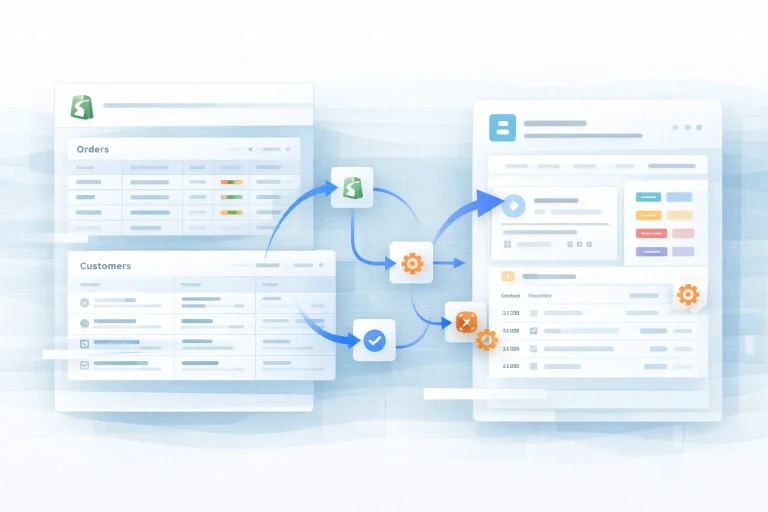
n8n becomes more valuable as soon as the workflow includes conditional routing, custom API calls, structured data transforms, retries, human checkpoints, or multiple AI steps. That is where simpler automation tools often start to feel cramped.
When you want one system for both automation and AI workflows
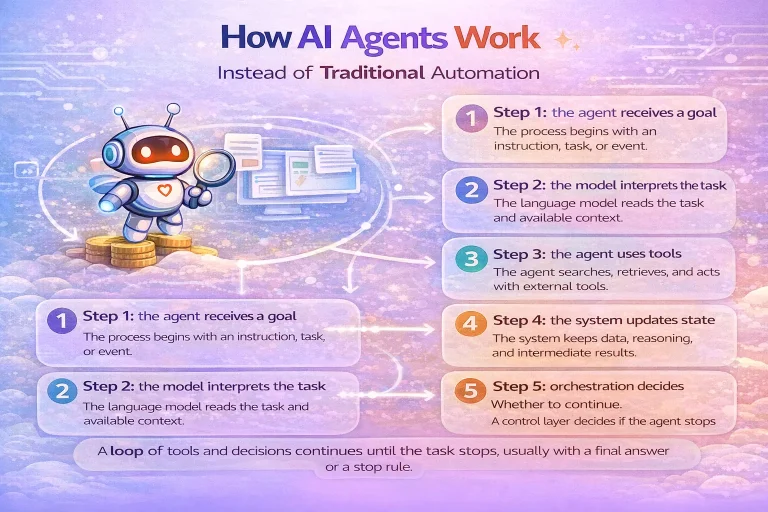
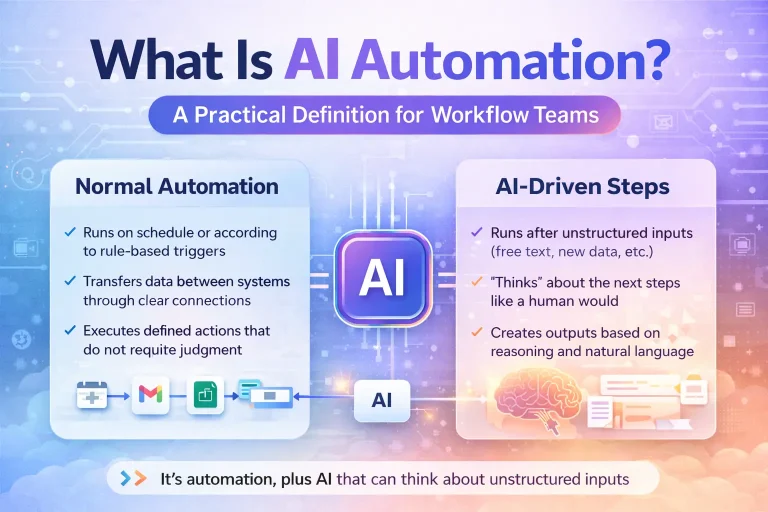
n8n now positions itself around both workflows and AI agents. For teams building lead enrichment, research assistants, internal copilots, or structured content pipelines, it is useful to have the agent logic, data movement, and operational controls on the same canvas.
When deployment flexibility matters
The option to start in Cloud and later self-host changes the buying logic. You can validate use cases quickly without giving up the possibility of moving into a more controlled environment later.
Where n8n may not be worth it
- If your automations are mostly simple SaaS triggers and you want the smoothest beginner experience.
- If nobody on the team is comfortable debugging workflow logic or understanding APIs.
- If you want a fully managed system and never expect to care about infrastructure, runtime behavior, or private network access.
- If your organization is buying a tool mainly for a nontechnical business team and wants the lowest learning curve possible.
Cost logic
n8n’s managed pricing is based on workflow executions rather than task counts per step. That can make it easier to reason about multi-step workflows, especially when AI and branching logic are involved.
For self-hosting, the software path can look inexpensive, but infrastructure, maintenance, and operational ownership still count. n8n is worth it when that control creates real value, not just because the self-hosted edition exists.
Best fit by team type
- Best for technical startups: strong fit when automation and product operations blur together.
- Best for agencies: strong fit once client workflows become customized and you need more control over logic or deployment.
- Best for internal ops teams: strong fit when workflows connect databases, APIs, approval steps, and internal tools.
- Less ideal for basic business users: fine if supported by a technical owner, weaker if the team expects pure no-code simplicity.
Common mistakes when evaluating n8n
- Comparing headline prices without comparing workflow depth.
- Assuming self-hosting automatically means lower total cost.
- Underestimating how much templates can accelerate setup while still requiring credential mapping and business-specific logic.
- Treating n8n as just another app connector instead of a workflow runtime.
FAQ
Is n8n good enough for production workflows?
Yes, if the team running it can own testing, change control, and monitoring. The tool is not the limiting factor nearly as often as the operating discipline around it.
Is n8n better than Zapier or Make?
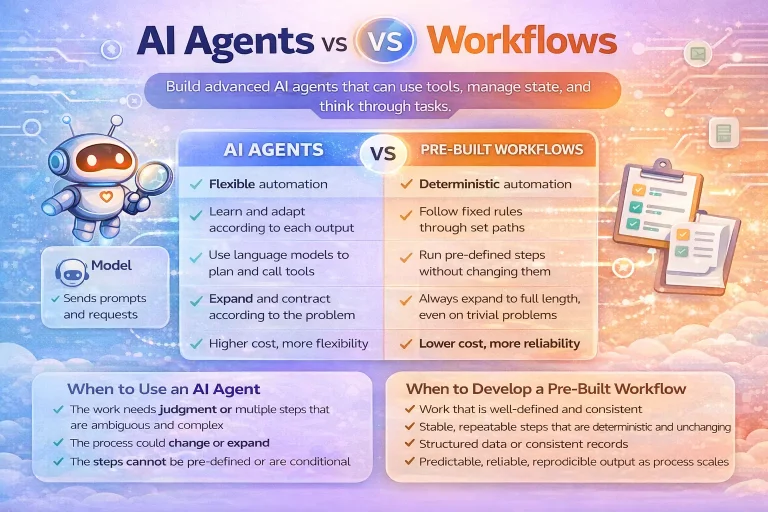
Not universally. It is better for teams that prioritize flexibility, code, AI workflow depth, and deployment control. It is not always better for speed of first setup or beginner ease.
Should I start with templates?
Usually yes. Templates reduce setup time and help you see the workflow structure quickly, but production use still requires editing triggers, mappings, prompts, and failure handling.
Conclusion
n8n is worth it when workflows matter enough to become part of your operating system. If you only need lightweight SaaS automation, you may not need its depth. If you want one platform that can cover automation, internal tooling, and agent-style workflow orchestration, n8n is much easier to justify.