n8n for Internal Tools: When It Makes Sense

A practical guide to where n8n works well for internal tools and where a full custom application is still the better path.

This guide explains how n8n fits internal tool use cases, what kinds of tools it supports well, and how to tell when workflow orchestration is enough.

Difficulty Intermediate
Read Time 15 minutes

Related Tools

Details

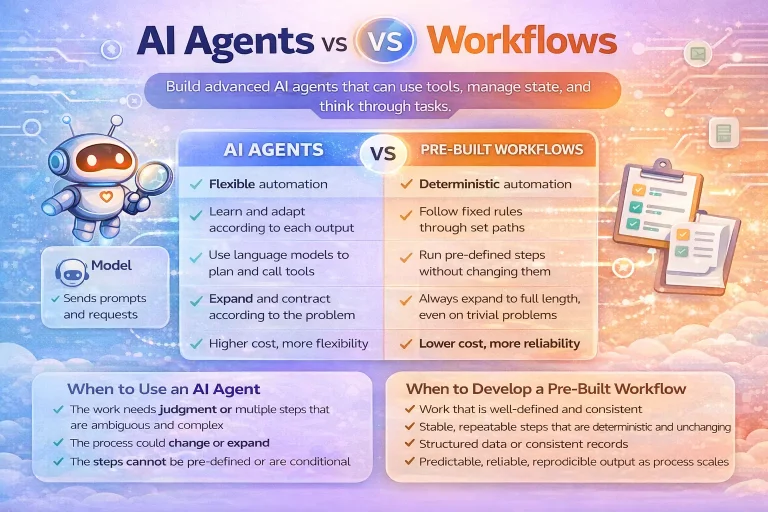
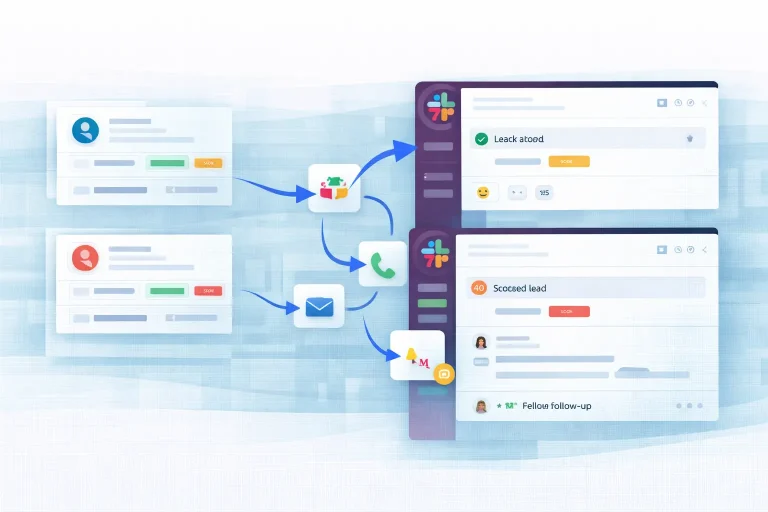
n8n is a strong fit for internal tools when the real need is orchestration rather than a full custom application. It works especially well for internal utilities that connect APIs, databases, spreadsheets, forms, messaging systems, and AI steps into one operational flow. If your internal tool is mostly about moving data, triggering actions, and keeping several systems in sync, n8n can be a very practical foundation.

It is less suitable when the internal tool requires a highly customized front end, deep domain-specific business logic in application code, or long-lived workflow state that is better handled by a programming-first framework. n8n sits in the middle: more capable than lightweight automation tools, but not a direct replacement for building a full internal application stack from scratch.

What “internal tools” means in practice

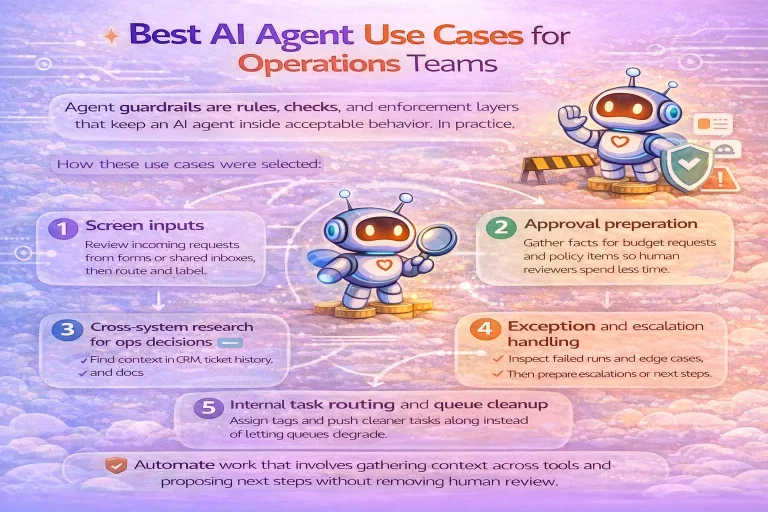
In this context, internal tools are operational systems used by staff rather than customers. Examples include approval workflows, internal request routing, report generation, support escalation utilities, simple control panels, content ops helpers, and AI-assisted assistants that retrieve information or trigger constrained actions.

Why n8n fits this category

Most internal tools are not built because a team wants software for its own sake. They are built because existing SaaS tools do not connect cleanly enough. n8n is valuable here because it can bridge the gap between systems without forcing you to build every integration yourself.

It also works well when the UI burden is small. Many internal tools do not need a complex product interface. They only need a trigger, a form, a message, a row update, or a webhook that starts the right logic and pushes the result back to the right place.

Typical internal tool patterns in n8n

Pattern Example Why n8n helps
Approval utility Procurement or invoice request flow Handles routing, conditions, and notifications
Operational dashboard backend Collecting status data from several systems Good for scheduled sync and transformation
Internal assistant Ask a question, fetch records, summarize context Combines tools, data, and AI steps
Support/admin helper One-click escalation or record repair workflow Useful for constrained action workflows
Data sync utility Move records between CRM, DB, sheets, and messages Strong at repetitive cross-system orchestration

Good use cases for n8n-based internal tools

Approval and request handling

These are often the best first internal tools because the flow is clear and the value is immediate. A request enters through a form or message, is enriched with context, routed to the correct approver, and ends in an action such as task creation, document update, or status notification.

Internal reporting and data utilities

n8n works well for tools that gather records from several systems, reshape them, and produce clean outputs for dashboards, sheets, or digests. These tools are often more valuable than they look because they remove repeated manual cleanup work.

AI-assisted staff tools

n8n can support internal assistants that fetch records, summarize cases, prepare next-step recommendations, or trigger safe actions such as creating tickets or drafting responses. The best fit is a constrained assistant, not one with unlimited autonomy.

How to decide whether n8n is enough

n8n is usually enough if the internal tool can be defined as “event plus logic plus outputs.” If the tool needs rich UI interactions, complex user state, or product-level frontend behavior, you will probably want a separate application layer and use n8n only for orchestration behind it.

A useful test is this: if you can imagine the tool being triggered by a form, button, webhook, message, or schedule and the main complexity lives in the workflow logic, n8n is a credible choice.

Implementation considerations

  • Define exactly which systems n8n will be allowed to read from and write to.
  • Separate required actions from optional convenience steps.
  • Design fallback behavior for failed writes, timeouts, or partial outputs.
  • Keep an audit trail for internal actions that affect records or approvals.
  • Be careful with AI-assisted actions; add validation or human review where needed.

Where templates help

Templates are useful for common backend patterns such as form intake, routing, data sync, approval notifications, and AI-assisted summarization. They speed up initial delivery, especially for internal teams that need proof of value quickly.

Templates are not enough when permissions, internal data models, or process exceptions are the real challenge. Those are the parts that determine whether the internal tool is trustworthy in production.

Common mistakes

One mistake is trying to make n8n itself carry a product-grade interface problem that really belongs in a separate UI. Another is skipping ownership: internal tools often fail not because the workflow is weak, but because no one maintains field mappings, credentials, or approval rules over time.

A third mistake is giving AI too much authority too early. For internal tools, AI should assist with context and preparation before it is allowed to trigger meaningful changes.

FAQ

Can n8n be used to build internal tools?

Yes. It is especially good for internal tools whose main job is orchestrating systems, records, and actions rather than delivering a complex user interface.

When is n8n not enough?

It is not enough when the internal tool needs a highly customized front end, heavy domain logic in application code, or advanced long-running state management.

Is n8n good for internal AI assistants?

Yes, when the assistant needs to fetch context, summarize information, and take constrained actions across business systems.

Do templates help here?

They help with workflow shape and initial backend logic, but production-grade internal tools still need careful permissions, validation, and error handling.

Conclusion

n8n works well for internal tools that are mostly orchestration problems: approvals, data utilities, staff assistants, and backend helpers that connect several systems. It is not the answer to every internal software need, but it is often the fastest credible way to build useful internal operations tooling without starting from zero.

Related Templates

Related Guides