
Best n8n Workflows by Use Case

A practical guide to the n8n workflows that create the most value across growth, research, operations, and internal systems.

This guide breaks down the strongest n8n workflow categories, why they fit the platform well, and which ones are worth building first.

Difficulty Intermediate
Read Time 15 minutes

Related Tools

Details

The best n8n workflows are the ones that combine several steps into one reliable operational path, not just simple trigger-action pairs. In practice, the strongest use cases are lead generation and enrichment, research automation, internal operations, content workflows, support routing, and internal tools that need to connect SaaS systems with custom logic or AI steps.

If you are evaluating n8n as a platform, the key thing to understand is that n8n becomes more valuable as the workflow gets deeper. It is not at its best when it is only replacing a two-step Zap. It is at its best when one run needs branching logic, API calls, data transformation, AI processing, multiple outputs, and clear control over how failures are handled.

Who this guide is for

This guide is for operators, technical marketers, founders, and internal systems builders who want to understand where n8n creates the most value. It is especially useful if you already know n8n can automate things, but you want to know which workflows are worth building first.

How the workflows were selected

The workflows below were selected using five criteria: implementation value, repeatability, fit for n8n’s branching and API flexibility, likelihood of needing multiple tools in one run, and whether a template can materially reduce setup time. Workflows that are too simple are not the best showcase for n8n. Workflows that combine operational logic with several moving parts are.

Summary table

Workflow type Best for Main strength Main limitation Skill level
Lead generation and enrichment Marketing and sales ops Combines collection, enrichment, scoring, and routing Data quality and CRM mapping need care Intermediate
Research automation Analysts, content teams, founders Pulls multiple sources into structured outputs Requires validation and deduplication Intermediate
Internal ops automation Operations and admin teams Good for approvals, notifications, and record sync Business rules can get complex quickly Intermediate
Internal tools and AI assistants Technical teams Connects APIs, databases, and model steps Needs stronger design and testing Advanced
Content and publishing workflows Content and growth teams Moves drafts, approvals, and publishing tasks into one flow Editorial review still matters Beginner to Intermediate
Support and ticket routing Customer operations Fast triage and escalation using rules or AI Wrong classifications can create bad routing Intermediate

1. Lead generation and enrichment workflows

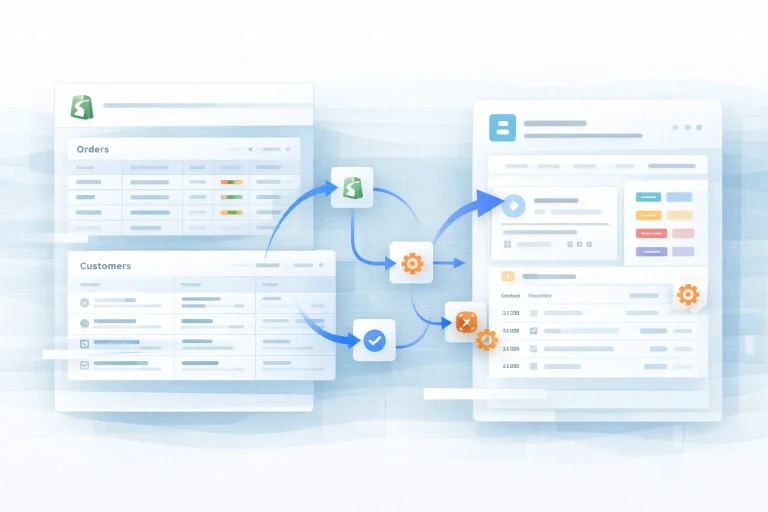
This is one of the best entry points for n8n because the business value is obvious and the workflow depth fits the platform well. A typical run starts with a form submission, ad lead, webhook, or spreadsheet row; enriches company and person data; applies scoring logic; writes to a CRM; and sends the result to Slack or email.

Why it belongs on the list: n8n handles API calls, branching, validation, enrichment, and downstream routing in one place. This is where execution-based pricing also starts to make more sense than task-based systems because one lead can trigger several meaningful steps without making cost forecasting messy.

Choose this first if you want a workflow with visible business impact and clear before-and-after metrics. It is less suitable if your team does not yet have clean CRM fields or clear qualification rules.

2. Research automation workflows

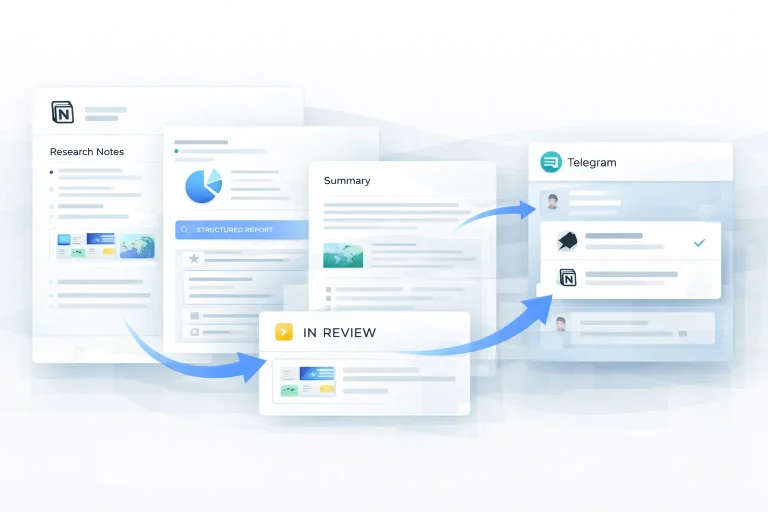
Research automation is another strong n8n use case because it often needs source collection, parsing, deduplication, summarization, classification, and structured output. A workflow might ingest URLs, search results, feeds, or documents; extract relevant text; generate summaries; classify findings; and send a report into Notion, Google Sheets, Slack, or email.

Why it belongs on the list: research flows are rarely linear. They need conditions, cleanup, batching, and AI stages that benefit from n8n’s control. Templates can speed up the shell, but the real value comes from tuning the sources, prompts, and output structure for your team.

3. Internal operations workflows

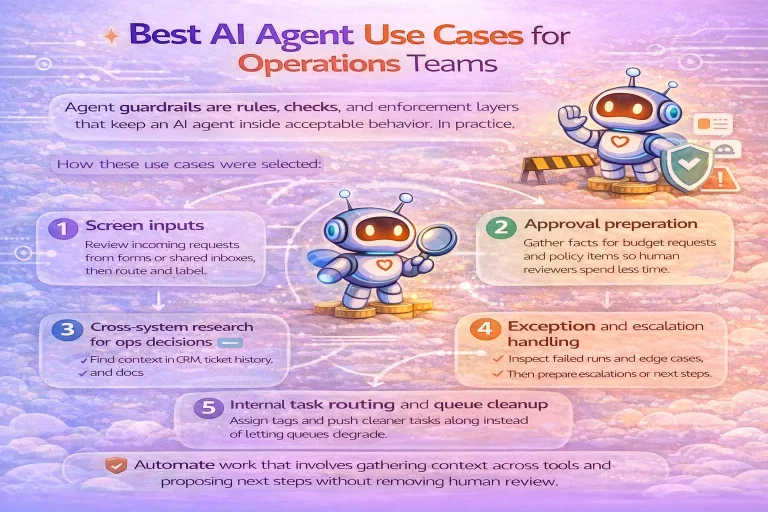
n8n works very well for internal operations because ops workflows usually connect multiple tools and need branching. Examples include invoice approval notifications, employee onboarding checklists, procurement requests, task creation, spreadsheet sync, and status reporting.

Why it belongs on the list: internal ops is where simple automation tools often start to feel cramped. n8n is strong when an approval or event needs to trigger several downstream actions with different conditions and recipients.

The limitation is governance. Once the workflow touches finance, HR, or compliance-sensitive records, you need stronger ownership, documentation, and failure handling than many teams expect.

4. Internal tools and AI assistants

This is where n8n starts to move beyond “automation platform” and toward lightweight orchestration for internal systems. You can connect internal APIs, databases, vector stores, document sources, messaging tools, and model calls to create assistants that fetch context, take constrained actions, and hand results back to people or systems.

Why it belongs on the list: n8n’s AI direction, agent node, and MCP capabilities make it more relevant than older automation tools for these workflows. It is not a full replacement for programming-first agent frameworks when you need durable stateful orchestration at scale, but it is often enough for pragmatic internal assistants and action-oriented AI workflows.

5. Content and publishing workflows

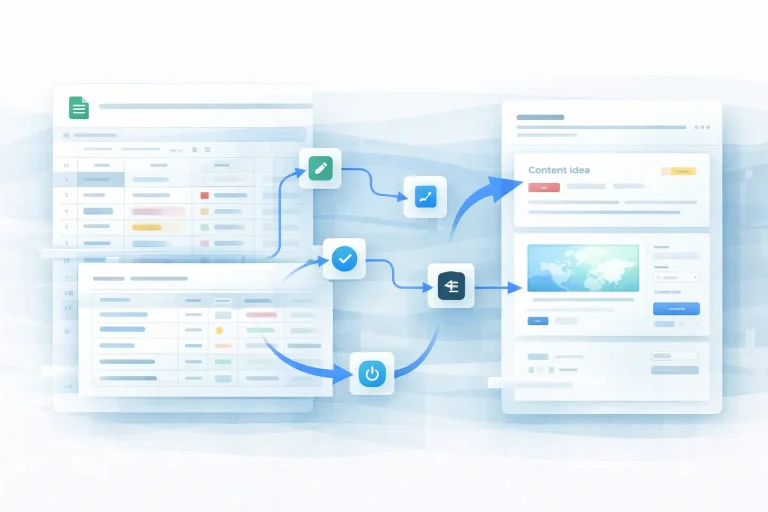
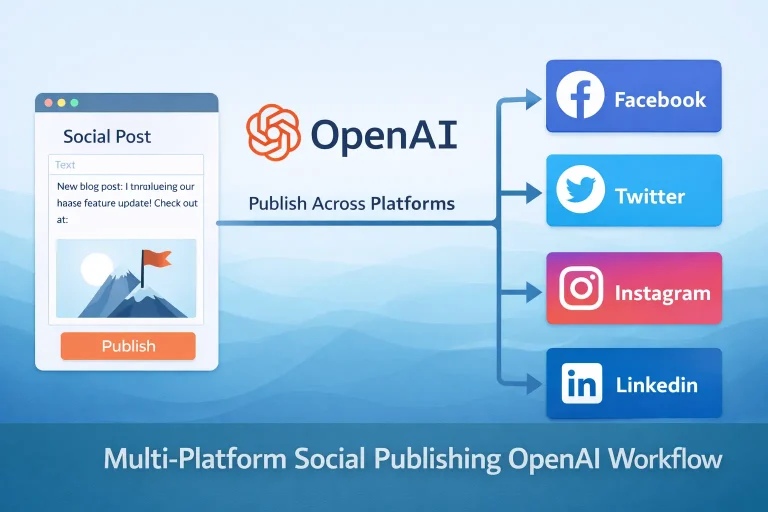
Content workflows remain one of the easiest wins. You can move briefs from forms or spreadsheets into drafting systems, request AI-assisted summaries, route items for review, publish to CMS platforms, and notify stakeholders when pieces go live.

Why it belongs on the list: the structure is understandable, the outcomes are visible, and templates reduce setup time. The weakness is that content quality still depends on editorial inputs and review logic. Automation can handle handoffs; it should not be trusted to replace editorial judgment without constraints.

6. Support and ticket routing workflows

Support automation fits n8n well when tickets, emails, or chat messages need classification, SLA-based routing, enrichment, tagging, and escalation. You can combine rules with AI classification, then push clean outputs into help desk tools, Slack channels, or internal dashboards.

Why it belongs on the list: it combines time-sensitive routing with multiple systems and clear operational outcomes. The main caution is false confidence in AI classification. If the model sends urgent requests to the wrong queue, the workflow creates more work than it saves.

Which workflow is best for which type of team?

  • Fastest first win: lead routing and enrichment.
  • Best for AI-assisted operations: research automation.
  • Best for back-office efficiency: internal ops workflows.
  • Best for technical teams: internal tools and AI assistants.
  • Best for content teams: publishing and approval workflows.
  • Best for service organizations: support routing and escalation.

Tradeoffs and common mistakes

The biggest mistake is choosing n8n for shallow workflows that another simpler tool could handle just as well. n8n shines when one event triggers a meaningful chain. Another mistake is importing a template and assuming the hard work is done. In most real workflows, the template solves the shape, not the business rules.

It is also common to over-automate too early. If your lead fields are messy, your approval logic is undefined, or your support taxonomy is inconsistent, the workflow will expose those problems rather than fix them.

FAQ

What is the best first n8n workflow to build?

Lead enrichment or lead routing is often the best first workflow because it has visible commercial value and a clear success metric.

Are n8n workflows better for technical users?

n8n is friendlier to technical and semi-technical users than tools focused purely on no-code simplicity, especially once workflows get deeper.

Can templates save time?

Yes. Templates save time on structure and node layout, but you still need to map your own fields, credentials, and error-handling logic.

Which use case is best for AI?

Research automation and internal assistants are usually the strongest AI-oriented use cases because they benefit from summarization, classification, and tool-connected reasoning.

Conclusion

The best n8n workflows are not the simplest ones. They are the ones where one run coordinates multiple systems, decisions, and outputs. For most teams, the highest-value starting points are lead generation, research automation, internal ops, and internal tools. Those are the workflows where n8n’s flexibility is not just nice to have, but the reason the automation works well in the first place.

Related Templates

Related Guides