
n8n vs Zapier: Which Automation Platform Fits Better?
A clear comparison of where n8n outperforms Zapier and where Zapier still wins on speed and simplicity.
This comparison explains the real difference between n8n and Zapier, including ease of use, workflow depth, pricing logic, and who each platform fits best.
Related Tools
Details
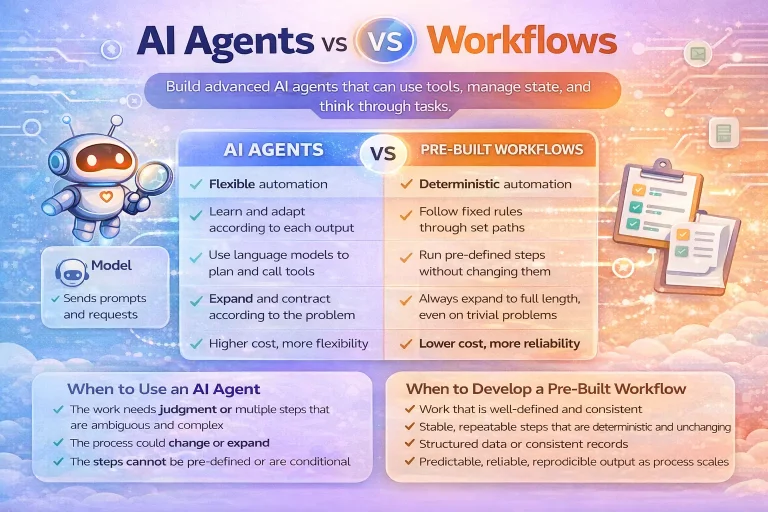
n8n is the better choice if you want deeper workflow logic, self-hosting, and better cost predictability for multi-step automations. Zapier is the better choice if you want the fastest path to simple SaaS automations with minimal setup and almost no technical overhead. That is the core decision.
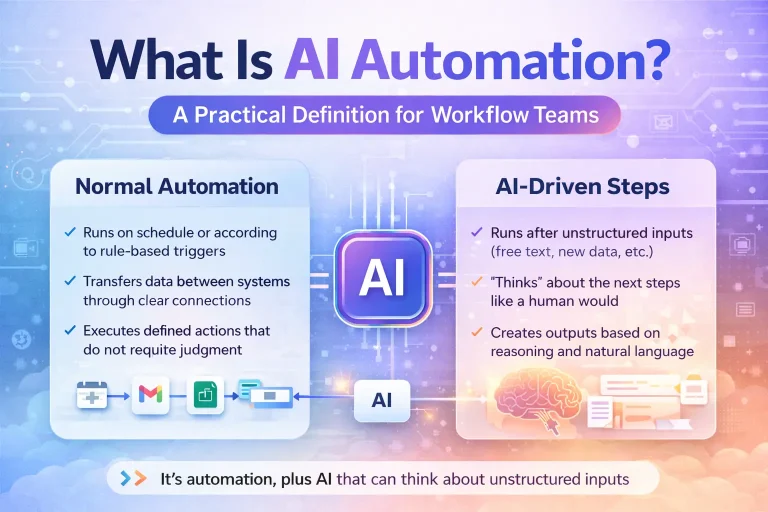
The main difference is that Zapier is optimized for ease and app-to-app automation at business-user speed, while n8n sits closer to a workflow engine for operators, builders, and technical teams who want stronger control over branching, data handling, and AI-driven flows. They overlap on basic automation, but they diverge quickly once you need internal APIs, custom logic, or infrastructure ownership.
What each platform is
n8n is a fair-code workflow automation platform with hosted and self-hosted deployment paths. It is especially strong when workflows involve multiple branches, structured data transformation, internal tools, or AI agent patterns connected to real business systems.
Zapier is a managed automation platform built for fast app integration and low-friction setup. It offers a very large app ecosystem and a polished experience for common business automations such as form routing, spreadsheet updates, CRM actions, notifications, and simple approval flows.
Quick comparison table
| Tool | Best for | Main strength | Main limitation | Skill level |
|---|---|---|---|---|
| n8n | Technical teams, deeper workflows, AI-heavy automation | Control, branching, self-hosting, execution-based pricing | More setup responsibility and a steeper learning curve | Intermediate |
| Zapier | Business users and fast SaaS automation | Ease of use, app breadth, fast time to first automation | Task-based costs and less flexibility for complex logic | Beginner |
Which one is easier to start with?
Zapier is easier. If your workflow is “when a Typeform submission arrives, create a HubSpot contact and send a Slack message,” Zapier usually gets you there faster. The setup language is simpler, the onboarding is smoother, and the product expects common SaaS use cases rather than custom orchestration.
n8n is still approachable, but it rewards people who are comfortable thinking in terms of node chains, expressions, data objects, credentials, and conditional logic. That added complexity is not a flaw. It is what makes n8n more useful once workflows stop being linear.
Which one is more flexible?
n8n is materially more flexible. It is better for workflows that need custom HTTP calls, data shaping, code steps, internal service access, retries, conditional paths, or AI stages that need context from multiple systems. It is also easier to treat n8n as part of your stack rather than as a black-box connector layer.
Zapier handles many real business tasks well, but it is optimized for reliability and simplicity over workflow depth. That tradeoff is useful for common automations. It becomes limiting when you want fine-grained control over data flow, state, and downstream behavior.
Integrations and ecosystem
Zapier still wins on ecosystem breadth and business-user familiarity. Its app catalog is enormous, and for teams working mainly across mainstream SaaS tools, that matters. You can move faster when the connector already exists and is well documented.
n8n does not need to win on app count to stay competitive. Its strength is that it combines native integrations with HTTP/API flexibility and lets advanced users bridge gaps more directly. If your stack includes internal APIs, databases, custom endpoints, or private services, the connector count matters less than the ability to build exactly what you need.
Pricing logic and scaling behavior
The pricing models push teams toward different outcomes. n8n Cloud pricing is based on workflow executions, and all plans include unlimited users and workflows. Zapier pricing is tied to tasks, with each successful action counting toward usage. That means simple workflows can be fine on Zapier, but deeper automations often become less predictable and more expensive as every action adds cost.
This is where many teams switch. A workflow that enriches a lead, classifies it with AI, updates a CRM, writes to a sheet, and posts to Slack may still feel economically reasonable on n8n, while a similar pattern can consume tasks quickly on Zapier.
AI agents and advanced automations
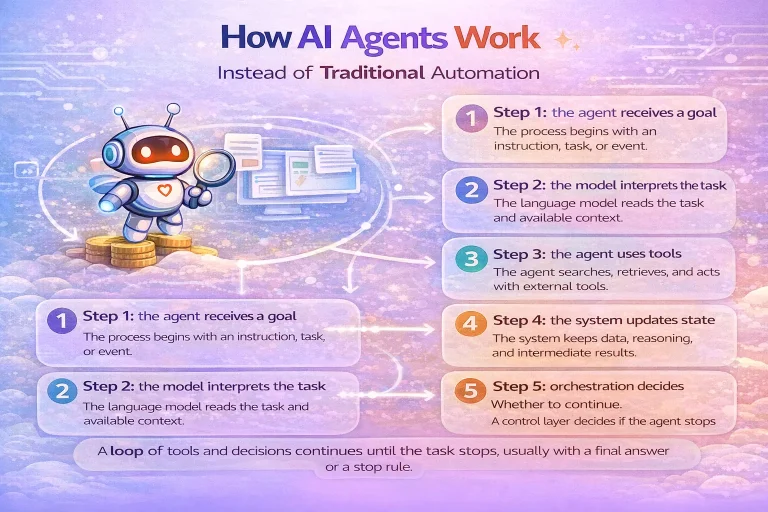
n8n is better positioned for AI agents and AI-assisted workflows. The product now has a dedicated AI agent narrative, an AI Agent node, and MCP-related capabilities. That does not make it an agent framework in the same sense as LangGraph, but it does make it more suitable than Zapier for agent-like flows that need tools, memory patterns, routing, or richer orchestration around model calls.
Zapier can absolutely connect AI products and model outputs into business workflows, but it is still strongest as an automation layer around SaaS tools, not as a home for complex agent orchestration.
Best fit by use case
Choose n8n when:
- You need branching logic, APIs, custom data transformation, or internal system access.
- You care about self-hosting, compliance boundaries, or infrastructure control.
- You expect AI-heavy workflows with several steps per run.
- You want one platform for internal tools, research automation, and operational workflows.
Choose Zapier when:
- You want the easiest way to automate mainstream SaaS tools.
- You mainly need short workflows with clear triggers and actions.
- You have non-technical owners who need to ship automations quickly.
- You value app coverage and simple onboarding over deep customization.
Limitations and common decision mistakes
The most common mistake is choosing Zapier for complex workflows because it feels easier at first. That usually works until costs rise and the logic gets harder to maintain. The opposite mistake is choosing n8n too early for a team that only needs a few lightweight automations and does not want to run or understand a more technical platform.
Another mistake is assuming n8n replaces the need for workflow design. It gives you more control, but bad trigger design, weak deduplication, or unclear retry logic will still create messy automations. Templates reduce setup time, but they do not remove the need to map your actual fields and business rules.
FAQ
Is n8n cheaper than Zapier?
It often is for multi-step workflows because n8n bills by execution while Zapier bills by successful tasks. For a few simple automations, the difference may matter less.
Is Zapier easier than n8n?
Yes. Zapier is generally easier for beginners and for common SaaS-to-SaaS automations.
Can n8n replace Zapier completely?
For many teams, yes. But if your main priority is extremely fast setup across common business apps with non-technical ownership, Zapier may still be the better operational fit.
Which one is better for AI workflows?
n8n is usually the stronger choice once the workflow includes multiple AI steps, tool usage, routing, or internal system integration.
Conclusion
Choose Zapier when you want the shortest path to simple automation. Choose n8n when your workflows are becoming part of your infrastructure rather than just app glue. For shallow automations, Zapier is often the more comfortable option. For deeper automation and AI-driven operations, n8n has the stronger long-term ceiling.