n8n Pricing Explained: Cloud vs Self-Hosted vs Enterprise
A practical breakdown of how n8n Cloud, self-hosting, and enterprise pricing differ in real implementation.
This guide explains how n8n pricing actually works, what execution-based billing means, and when Cloud, self-hosting, or enterprise is the better fit.
Related Tools
Details
n8n pricing is easiest to understand if you separate three decisions: whether you want n8n Cloud or self-hosting, how many workflow executions you expect per month, and whether you need team and governance features that push you toward enterprise sales. For most small teams, the real decision is not “is n8n cheap or expensive,” but “does execution-based pricing fit my workflow shape better than task-based pricing on Zapier or credit-based pricing on Make?”
The official pricing model on n8n Cloud centers on monthly workflow executions, while all cloud plans include unlimited users, unlimited workflows, and all integrations. That is unusual in automation software, where seat limits or premium connector tiers often push costs up earlier. The catch is that self-hosting is not actually “free” in operational terms. You may avoid platform fees, but you still own uptime, upgrades, secrets management, backups, observability, and incident response.
Who this pricing guide is for
This guide is for buyers comparing n8n Cloud with self-hosting, founders trying to estimate automation costs before standardizing on a platform, and technical teams deciding whether n8n will stay cost-effective as AI steps, branching logic, and internal automations become more complex.
How n8n pricing works
n8n’s official pricing page states that plans include unlimited users and workflows, and that billing is based on monthly workflow executions rather than the number of steps inside each automation. In practice, that means a simple workflow and a more complex workflow may both count as one execution if each runs once. This makes n8n financially attractive for deeper workflows with several actions, branches, or AI steps.
That pricing logic matters because other platforms meter usage differently. Zapier’s cost tends to rise with each successful action counted as a task, while Make now uses credits, including dynamic credit usage for some AI-related features. If your workflows are shallow and mostly SaaS-to-SaaS routing, those models can still work well. If you expect longer chains, n8n’s execution model is easier to forecast.
What you are actually paying for
| Path | Best for | Main cost driver | What you gain | What you take on |
|---|---|---|---|---|
| n8n Cloud | Fast start, hosted operations | Monthly workflow executions | Managed hosting, faster rollout, less ops work | Recurring platform spend, plan limits |
| Self-hosted n8n | Technical teams, compliance, cost control | Your infra and support time | Maximum control, internal deployment flexibility | Upgrades, uptime, security, backups |
| Enterprise / sales-led | Larger teams with governance needs | Custom contract | SSO, governance, support, procurement fit | Longer buying cycle, higher spend floor |
n8n Cloud: when it is the better deal
Cloud is the better choice when speed matters more than infrastructure control. If your team needs to move quickly, validate workflows, and hand ownership to operators or business users, Cloud keeps the stack smaller. You can focus on triggers, credential setup, error handling, and outputs instead of container upgrades and observability.
Cloud is also easier to justify when your workflows are variable and you do not yet know your long-term usage pattern. Paying for managed service early is often cheaper than spending engineering time on self-hosting before the automation program is proven. Many teams overvalue the headline “self-hosted is free” and undervalue the cost of owning production automation.
Self-hosted n8n: when it is actually cheaper
Self-hosting becomes more compelling when you already run internal infrastructure, have clear security or residency requirements, or expect enough execution volume that platform fees would exceed the cost of a small internal deployment. It also matters when you want tighter network access to internal APIs, databases, and private systems without exposing them through external services.
But self-hosting is only cheaper if your team can operate it without creating hidden labor cost. The common mistake is comparing self-hosted n8n only against n8n Cloud list pricing while ignoring patching, monitoring, rollback plans, credential storage, and workflow recovery after failed upgrades.
How n8n compares with Zapier and Make on pricing logic
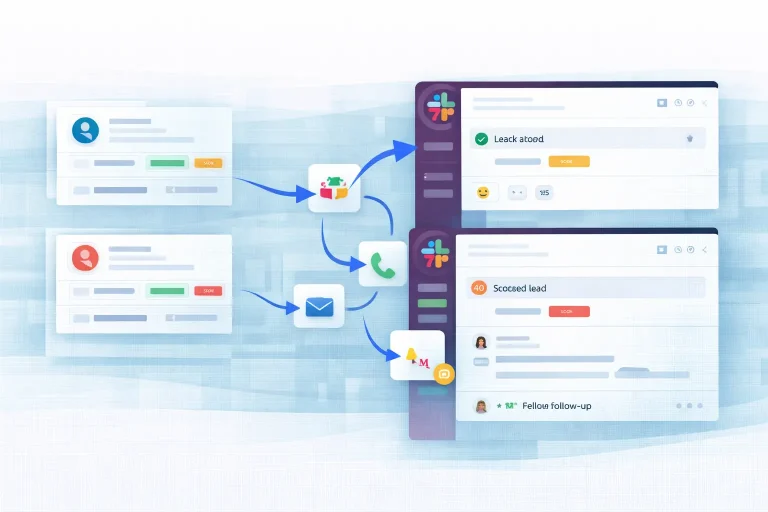
n8n’s execution-based model is strongest when each workflow run contains several meaningful steps. A lead enrichment flow that receives a form submission, looks up company data, classifies the lead with AI, writes to a CRM, adds a spreadsheet row, and sends a Slack alert can still be cost-efficient on n8n because the full run is one execution.
Zapier is easier for lightweight automations, but task-based pricing becomes harder to predict as each successful action counts separately. Make remains attractive for visual builders who like detailed scenario control, but the shift to credits adds another planning layer, especially once AI features introduce variable usage.
Common pricing mistakes
- Choosing self-hosting just to avoid SaaS spend, without assigning ownership for maintenance.
- Estimating volume from trigger counts only, while ignoring retries, test runs, or schedules that poll frequently.
- Comparing list prices without looking at workflow depth. A five-step automation and a twenty-step automation do not scale the same way on task-based platforms.
- Ignoring governance needs. Teams often start on the cheapest path and then discover they need SSO, role controls, or audit support.
How to estimate your real n8n cost
- List your top 10 workflows and estimate monthly run volume, not just how many workflows you will have.
- Separate shallow workflows from deep ones with branching, enrichment, or AI steps.
- Mark any workflows that need private network access or internal databases.
- Decide whether someone on your team will reliably own upgrades, incidents, and credential security.
- Only then compare Cloud with self-hosting and enterprise options.
Where templates help and where they do not
Templates can reduce setup time because they give you a working trigger-action structure, example field mapping, and a clearer idea of node layout. They are especially useful when pricing pressure is really a speed problem: importing a template is faster than building every branch from zero.
Templates do not remove the need for credential setup, AI prompt tuning, field mapping, or error handling. If a workflow affects CRM records, financial approvals, internal tools, or customer messaging, the custom logic still matters more than the template shell.
FAQ
Is n8n free?
Self-hosted n8n is available without a cloud subscription, but your hosting, support, and maintenance costs are still real.
What makes n8n pricing different?
The main difference is that n8n Cloud pricing is based on workflow executions rather than charging per action step in the same way task-based platforms do.
When does self-hosting make sense?
Self-hosting makes sense when you need control, private infrastructure access, or better economics at higher usage and you can operate the system responsibly.
When should I skip self-hosting?
Skip it when your team mainly wants faster automation delivery, has limited ops bandwidth, or is still validating whether n8n is the right platform.
Conclusion
n8n pricing is favorable for complex workflows because the billing model tracks executions rather than every action inside a flow. Cloud is the practical default for speed and lower operational burden. Self-hosting becomes attractive when infrastructure control, compliance, or scale justify the added responsibility. The right choice is less about headline price and more about whether your team wants to buy automation as a service or operate automation as part of your stack.