What Is MCP Apps

MCP Apps extends MCP so tools can return interactive user interfaces inside compatible AI clients.

This guide explains what MCP Apps is, how it differs from standard MCP tool use, and when interactive UI inside the chat window is actually useful. It is most relevant for teams building agent workflows that require human decisions or visual interaction.

Difficulty Intermediate
Read Time 10 minutes

Related Tools

Details

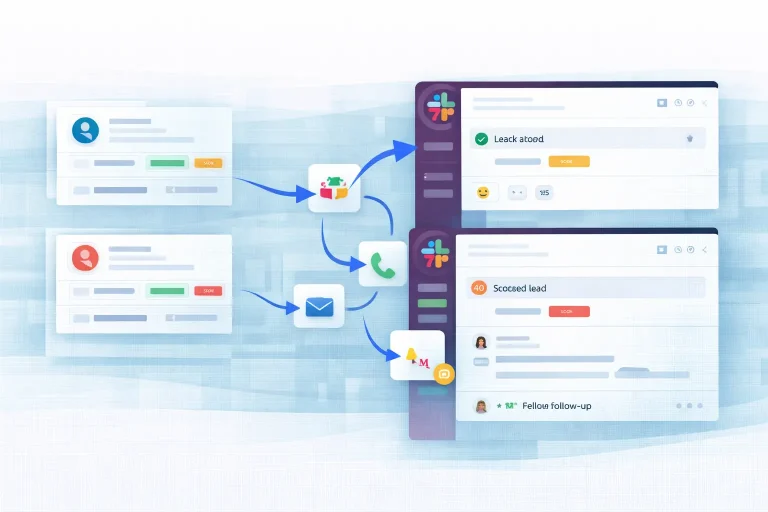
MCP Apps is an extension to the Model Context Protocol that lets MCP tools return interactive user interfaces inside supported AI clients. Instead of sending back only text or structured data, a tool can render a live UI surface such as a chart, form, calendar, table, or approval screen directly inside the conversation.

That changes the role of MCP in a workflow. Standard MCP already lets models discover tools and call them. MCP Apps adds the missing human interaction layer for cases where text is not enough. If a user needs to review a chart, select records, inspect a table, confirm a purchase, or move through a multi-step UI, MCP Apps gives the workflow a native interface without forcing the user to leave the client.

Why MCP Apps exists

Many workflow tasks break down when the output is reduced to plain text. An assistant can describe a dashboard, but that is weaker than letting the user inspect the chart. It can summarize a candidate list, but that is weaker than letting the user sort or choose items. It can ask a yes-or-no approval question, but that is weaker than showing the affected records and the exact change.

MCP Apps addresses that gap by letting the model stay in the loop while the UI handles the parts that are naturally visual or interactive. This is especially useful for approval flows, analytics review, content editing, and multi-step operational tasks.

How MCP Apps works

With standard MCP tool use, the model calls a tool and gets back a response. With MCP Apps, the tool can also return UI that the host knows how to render. The UI runs in the client rather than as a separate full application window. The host and app communicate through a defined interface so the app can receive tool results, send follow-up events, and help the workflow continue.

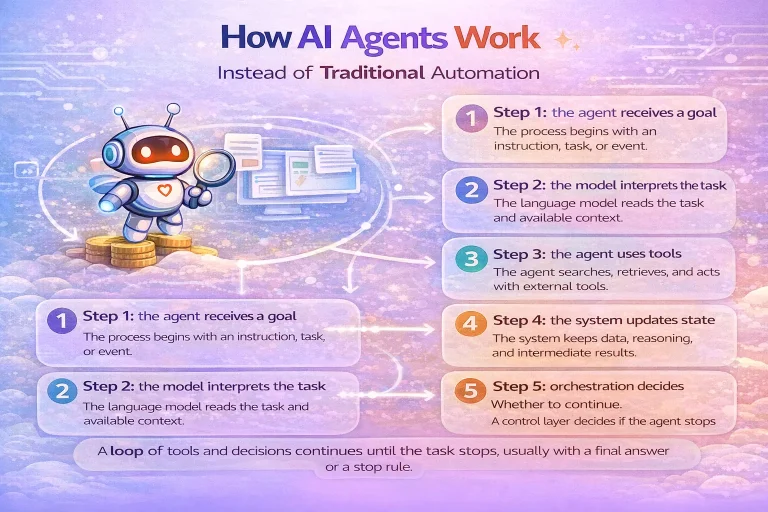
In practical terms, the sequence looks like this:

  1. The user asks the assistant to perform a workflow task.
  2. The model calls an MCP tool.
  3. The tool returns data plus an app surface the client can render.
  4. The user interacts with that UI inside the conversation.
  5. The host can require user approval before any follow-up write action happens.

What MCP Apps is good for

Workflow pattern Why MCP Apps helps
Approval flows Users can inspect the exact records or changes before approving
Analytics and reporting Charts and tables are easier to understand than text summaries alone
Selection tasks Users can choose items, dates, or options without awkward prompt back-and-forth
Content editing Drafts, layouts, and assets can be reviewed visually inside the workflow
Operational forms Structured input is easier through UI controls than through free-text prompts

How MCP Apps differs from normal MCP tools

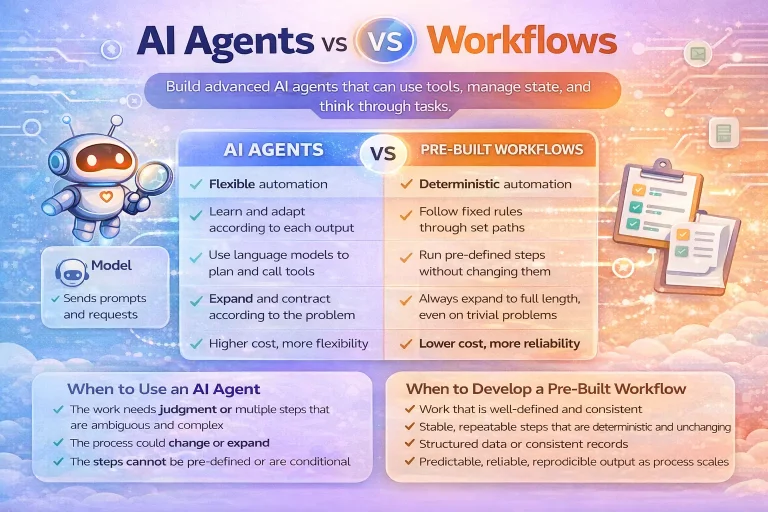
A normal MCP tool exposes an action or function. MCP Apps still uses tools, but adds a richer presentation layer. The important difference is not just visuals. It is that the workflow can stay conversational while still supporting real interaction.

This makes MCP Apps different from building a separate web app and merely linking to it. A separate app can still work, but it pulls the user out of the host. MCP Apps keeps the context, tool history, and conversation in one place.

Who should use MCP Apps

MCP Apps is a good fit for teams building agent workflows that involve human judgment, record inspection, visual analysis, or guided input. It is especially useful when the workflow must stay inside one trusted client instead of bouncing across browser tabs and internal tools.

It is less important for simple read-only tool calls or narrow actions with obvious outputs. If the agent only needs to fetch a value or trigger a background action, a plain tool response is usually enough.

Security and control considerations

Running UI inside an AI client raises obvious security questions. MCP Apps addresses this through sandboxing, auditable host-app communication, and the ability for hosts to require approval for UI-initiated tool calls. Even so, teams should still treat write actions carefully. A polished interface does not remove the need for permission boundaries and review steps.

The main design rule is straightforward: use UI to improve clarity and control, not to hide risk. Approval screens, selection surfaces, and visual outputs are strong uses. Unbounded write interfaces without clear consent are not.

Current ecosystem relevance

MCP Apps moved MCP from a text-only interaction model toward a more complete agent experience. That matters because agent workflows increasingly need a human checkpoint somewhere between data retrieval and final action. Interactive UI makes those checkpoints more usable.

For workflow builders, it also means one tool can deliver a richer experience across multiple compatible clients instead of requiring a client-specific implementation each time.

When templates help

If your workflow already follows a familiar pattern such as approval review, dashboard inspection, or record selection, a template can shorten the path to implementation. The template gives you the workflow logic and data structure, while MCP Apps provides the interaction layer. You still need to adapt the interface, permissions, and system mappings to your own environment.

FAQ

Is MCP Apps a separate protocol from MCP?

No. It is an extension built on top of MCP, not a replacement for the protocol.

Does every MCP workflow need MCP Apps?

No. Many workflows only need standard tools and resources. MCP Apps matters when the user benefits from direct visual interaction.

Is MCP Apps only for consumer chat interfaces?

No. It is also relevant for internal operations, developer tools, business approvals, and enterprise workflows where a user needs to inspect or confirm something.

Conclusion

MCP Apps matters because it adds the human-facing UI layer that many agent workflows were missing. If your workflow needs charts, selections, review steps, or approval screens inside the AI client, MCP Apps is often the right abstraction. If the workflow is simple and purely textual, standard MCP tools are still the cleaner choice.

Related Guides