
DeerFlow vs Open Deep Research

DeerFlow is better when you need a broader super-agent harness; Open Deep Research is better when you want a focused open research agent with less conceptual overhead.

This comparison explains the difference between DeerFlow and Open Deep Research, with a focus on research workflows, extensibility, and setup burden.

Difficulty Intermediate
Read Time 10 minutes

Related Tools

Details

Verdict: choose Open Deep Research if your goal is specifically an open deep research workflow with a clearer research-first setup. Choose DeerFlow if you want a broader open agent harness that can research, code, create, use sub-agents, manage memory, and run inside sandboxed environments. In other words, Open Deep Research is the better specialist; DeerFlow is the better platform.

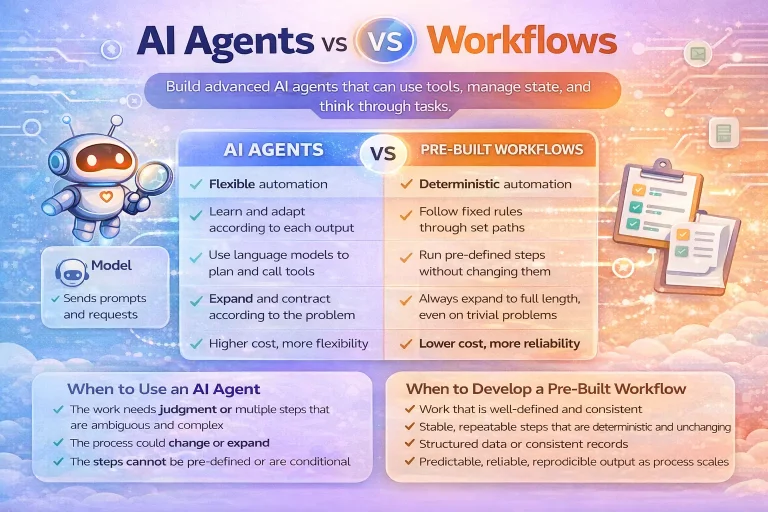
The main difference is scope. Open Deep Research is designed around multi-step research. DeerFlow is designed as a super-agent harness that happens to handle research very well. That difference drives almost every tradeoff in this comparison.

What each option is

Open Deep Research is a configurable open-source deep research agent that works across model providers, search tools, and MCP servers. It is opinionated around the research task itself: planning, searching, synthesizing, and writing reports.

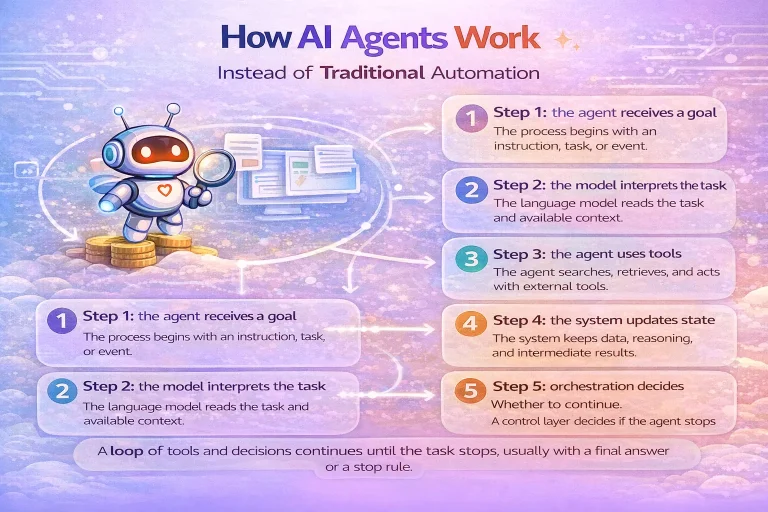
DeerFlow is an open-source super-agent harness powered by LangGraph. It adds sub-agents, memory, sandbox execution, skills, and a message gateway, which pushes it beyond research into a broader category of long-running agent execution.

Quick comparison table

Option Best for Main strength Main limitation Skill level
Open Deep Research Focused research workflows Clear research-first design Narrower overall capability Intermediate
DeerFlow Broader agent systems with research inside them Sub-agents, memory, sandbox execution, skills Heavier setup and more architectural choices Advanced

Key differences

The most important difference is how much agent infrastructure you actually want to own. Open Deep Research gives you a strong open baseline for the research use case without asking you to think about every component of a larger agent operating environment. DeerFlow gives you more raw capability, but it also asks you to think more like a builder of an agent platform.

If your primary question is “how do I automate market scans, vendor comparisons, or web-based report generation,” Open Deep Research is often enough. If your question is “how do I build a system that can research, write, run tools, coordinate sub-agents, remember context, and handle more varied tasks over time,” DeerFlow is the more serious answer.

Ease of use

Open Deep Research is easier to grasp because the mental model is narrow: it is for deep research. That makes setup and evaluation simpler. You are not trying to decide whether to use sub-agents, when to attach long-term memory, or how to expose skills unless you want to extend it later.

DeerFlow is more powerful, but the learning curve is steeper because the system surface is wider. For many teams, that wider surface is exactly the value. For others, it is unnecessary complexity that slows time to a useful first result.

Flexibility and customization

DeerFlow wins on flexibility. Because it is built as a super-agent harness, it has room for richer orchestration patterns, more execution modes, and broader capability composition. If you need research to blend into coding, file generation, or multi-agent coordination, DeerFlow is the stronger long-term base.

Open Deep Research is still configurable, especially around models, search tools, and MCP integrations, but it stays closer to the research problem. That narrower focus makes it less flexible overall, yet often more productive for the exact job it targets.

Integrations and ecosystem logic

Open Deep Research is flexible in the areas that matter most for research: model providers, search backends, and MCP-connected tools. DeerFlow brings in a bigger system story through skills, memory, sandbox execution, and LangGraph-powered orchestration. That means the ecosystem choice is also a design choice: research stack versus super-agent stack.

Best fit by use case

  • Choose Open Deep Research for market research, competitive scans, or report generation where research quality and iteration matter more than broader agent behavior.
  • Choose DeerFlow when research is part of a larger autonomous workflow that may also involve coding, artifact creation, long-running execution, or reusable skills.

Tradeoffs and limitations

The mistake people make with DeerFlow is assuming more capability automatically means better fit. If you only need deep research, a broader super-agent harness can be overkill.

The mistake people make with Open Deep Research is assuming focus means weakness. In practice, narrower tools often win because they reduce architectural overhead and make results easier to tune.

A template can help either path by giving you a report structure or workflow skeleton, but templates do not change the underlying choice: specialist tool versus broader agent platform.

FAQ

Which one is easier to start with?

Open Deep Research is easier to start with if the task is specifically deep research.

Which one is more flexible?

DeerFlow is more flexible because it is a broader super-agent harness.

Which one is better for advanced users?

DeerFlow is usually better for advanced users who want a richer agent architecture.

Which one should I choose right now?

If you mainly want better open deep research, choose Open Deep Research. If you already know you need a more extensible agent system, choose DeerFlow.

Conclusion

Choose Open Deep Research for a cleaner, research-first open stack. Choose DeerFlow for a more ambitious agent platform where research is one major capability among several. The right answer depends on whether you are adopting a tool for research or building a broader agent environment.

Related Guides