What Is LangGraph?
A practical explanation of LangGraph, the low-level orchestration framework for long-running, stateful AI agents.
This guide explains what LangGraph is, what it is designed for, and why so many newer agent projects are built on top of it. It is especially useful if you are trying to understand the difference between an agent framework, an agent runtime, and a finished agent product.
Related Tools
Details
LangGraph is a low-level orchestration framework and runtime for building, managing, and deploying long-running, stateful agents. The simplest way to understand it is this: LangGraph is the infrastructure layer you use when a normal prompt chain is no longer enough.
It matters because real agent systems need more than model calls. They need memory, branching logic, resumable execution, streaming, and often human checkpoints. LangGraph focuses on those orchestration problems rather than on polished end-user UX. That is why many agent products and research tools use it under the hood.
What does LangGraph do?
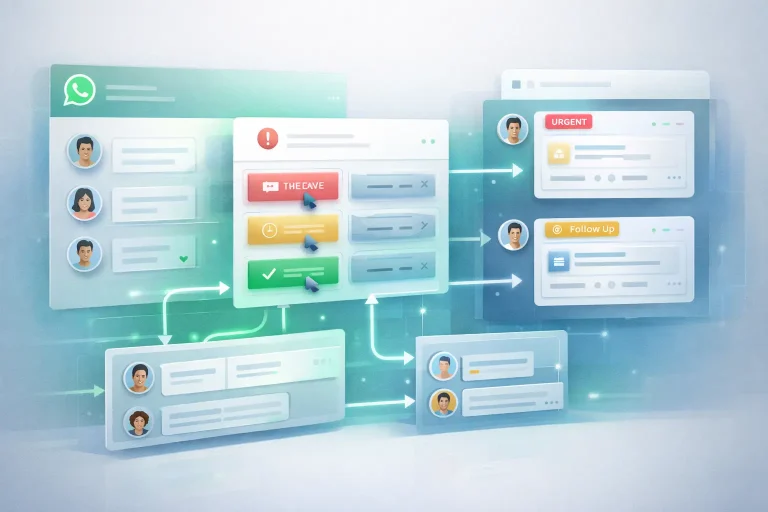
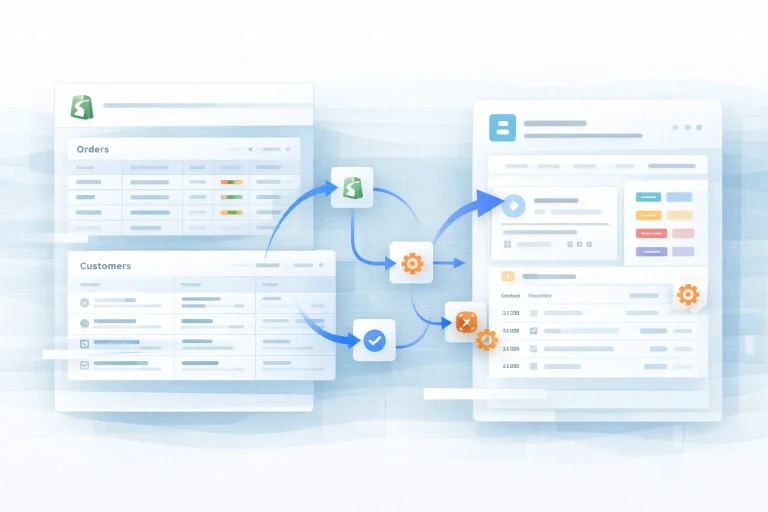
LangGraph helps developers define agent workflows as graphs. A graph-based structure is useful because agent systems rarely behave like one straight line. They branch, loop, retry, wait for human input, call tools, and carry state across steps. LangGraph is built around that kind of control flow.
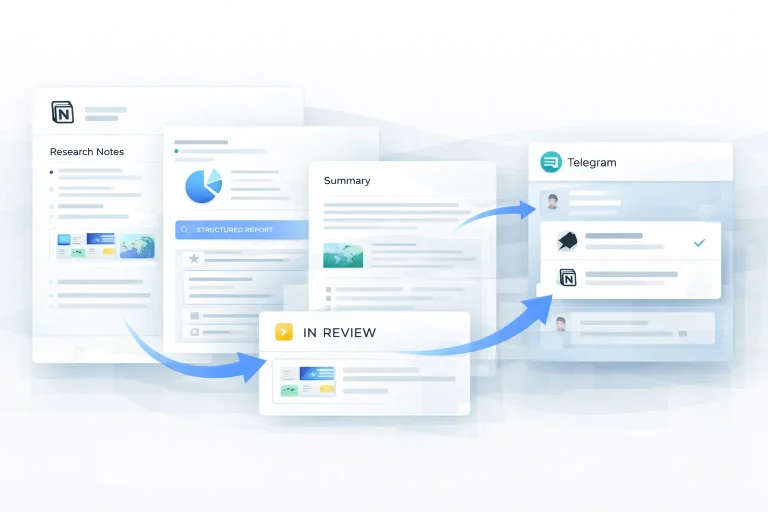
In practical terms, it lets you build systems such as a research agent that searches, evaluates sources, writes notes, asks for approval, and resumes later, or a support automation that routes tickets, calls tools, updates records, and escalates only when needed.
How does LangGraph work?
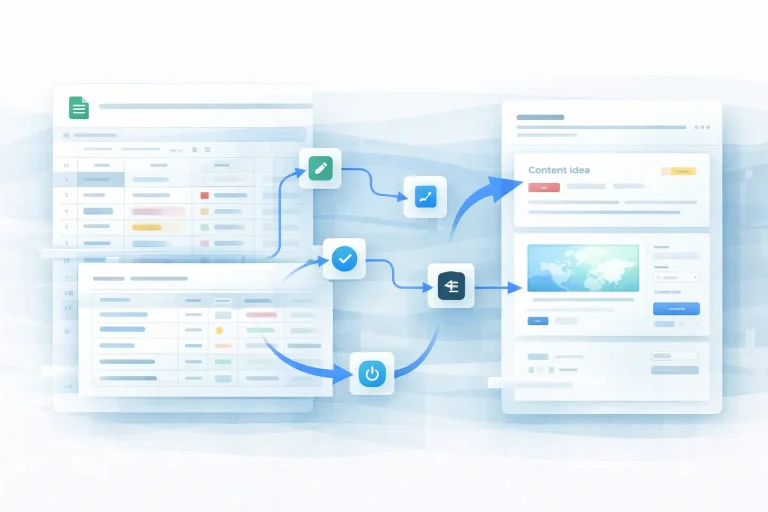
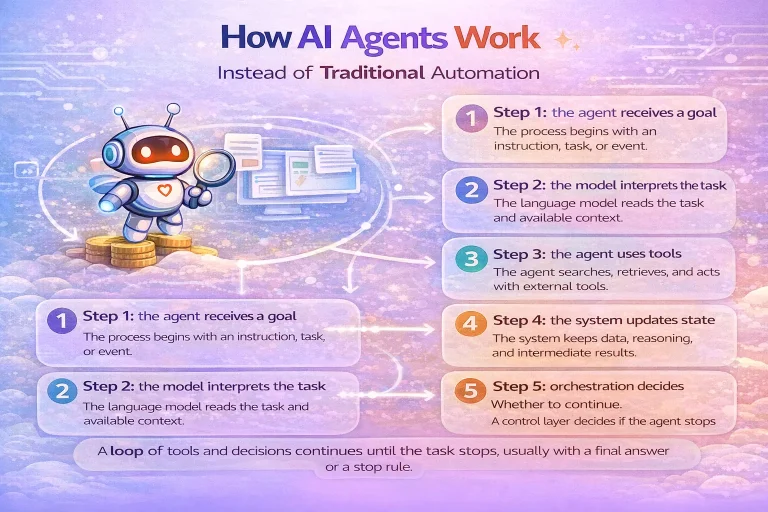
LangGraph uses nodes and edges to model execution. Nodes usually represent actions such as a model call, a tool invocation, or a routing decision. Edges define how execution moves from one step to another. The important point is that state is carried through the graph rather than discarded after each call.
The official overview emphasizes durable execution, streaming, and human-in-the-loop support. Those are not cosmetic features. They solve real production problems: long workflows fail, humans need to intervene, and teams need systems that can pause and resume instead of restarting from zero.
Who is LangGraph for?
- Developers building custom AI agents with non-trivial workflow logic.
- Teams that need stateful, resumable execution rather than one-shot prompts.
- Builders who want control over orchestration, memory, and tool behavior.
It is not ideal for people looking for the easiest entry point. LangGraph is intentionally low-level. If you want a high-level agent experience, you usually start with a tool or product built on top of it rather than with LangGraph itself.
Common use cases
- Deep research agents
- Customer support workflows with approval and escalation
- Internal task agents that coordinate multiple tools
- Long-running workflows that pause and resume
- Systems that need human review before critical actions
How is LangGraph different from nearby concepts?
LangGraph vs LangChain agents: LangChain’s higher-level agents are meant to help you get started faster with common patterns. LangGraph is the lower-level orchestration layer for when you need more control.
LangGraph vs Manus: Manus is a product experience for getting work done. LangGraph is not a product for end users. It is infrastructure for developers.
LangGraph vs DeerFlow: DeerFlow is a super-agent harness built on LangGraph. That means DeerFlow packages a stronger opinion about how the system should work, while LangGraph stays closer to core orchestration primitives.
LangGraph vs OpenManus: OpenManus is easier to frame as a general agent framework. LangGraph is lower-level and more focused on the orchestration problem itself.
When should you use LangGraph?
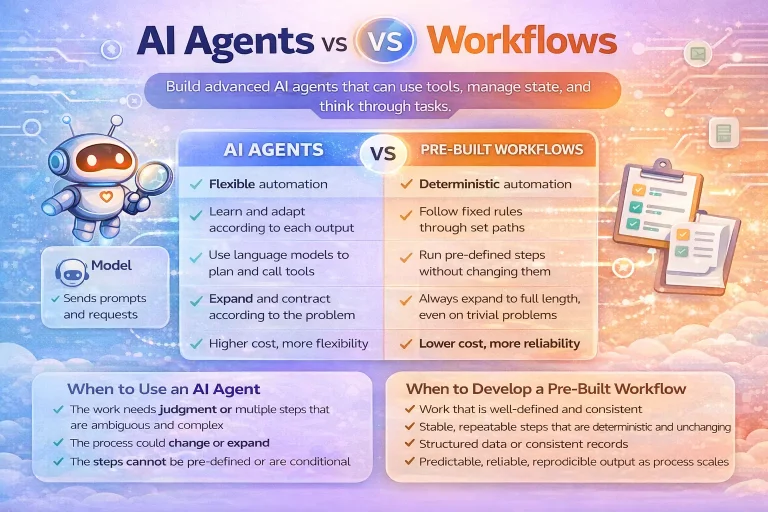
Use LangGraph when your workflow needs branching, persistence, long-running state, and controlled tool use. It becomes attractive once you realize that simple prompt chains break down under real operational complexity.
Do not use it just because “agents are hot.” If your workflow is a straightforward trigger-to-action automation, a normal workflow tool may be simpler, cheaper, and easier to maintain.
Limitations and common misunderstandings
The biggest misunderstanding is that LangGraph is a finished agent solution. It is not. It provides the runtime logic, but you still need to supply the application design, prompts, permissions, observability, and business logic.
The second limitation is complexity. Low-level control is powerful, but it means more design decisions and more room for mistakes. Teams sometimes adopt LangGraph before they know whether they actually need graph-level orchestration.
The third limitation is that orchestration quality does not guarantee answer quality. LangGraph can make systems more reliable and controllable, but poor model choices, weak prompts, or bad source inputs will still produce poor outcomes.
FAQ
Is LangGraph a framework or a product?
It is a framework and runtime for agent orchestration, not a consumer product.
Do I need LangChain to use LangGraph?
No. The docs note that LangChain components are commonly used, but LangGraph itself is not limited to LangChain-only setups.
Is LangGraph beginner-friendly?
Not especially. It is better suited to developers who already understand models, tools, and multi-step agent behavior.
Why do so many agent tools mention LangGraph?
Because it solves a core problem in agent systems: how to manage long-running, stateful, branching execution in production.
Conclusion
LangGraph is best understood as the orchestration backbone for serious agent systems. It is not the easiest entry point, but it is one of the clearest options when you need durable execution, state, and control. That is why it appears so often underneath open-source research tools and more opinionated agent products.