
OpenClaw
OpenClaw is an AI agent framework for building autonomous workflows and orchestrating LLM-powered automation systems.
Visit Website
About This Tool
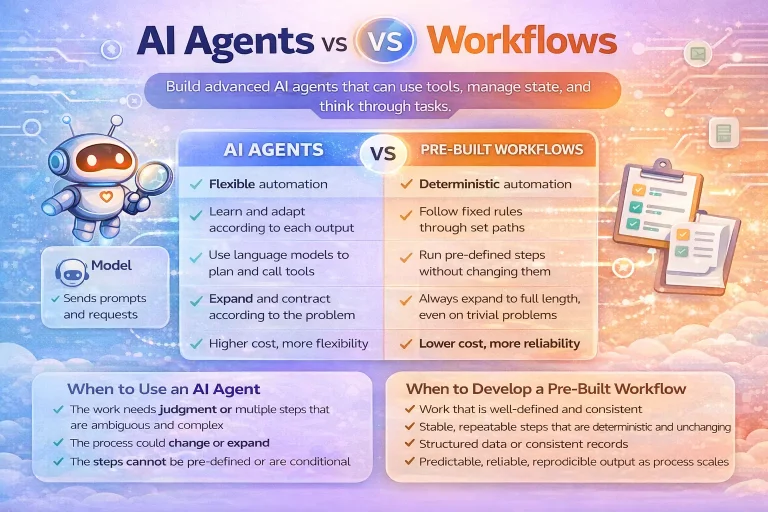
OpenClaw is an AI agent framework for building autonomous workflows and orchestrating LLM-powered automation systems. It enables developers to design AI agents that can plan, execute, and coordinate tasks across multiple tools and data sources. OpenClaw is often used for AI workflows, agent-based automation, and systems where large language models interact with external APIs, services, and environments to complete complex objectives.
Why people use OpenClaw
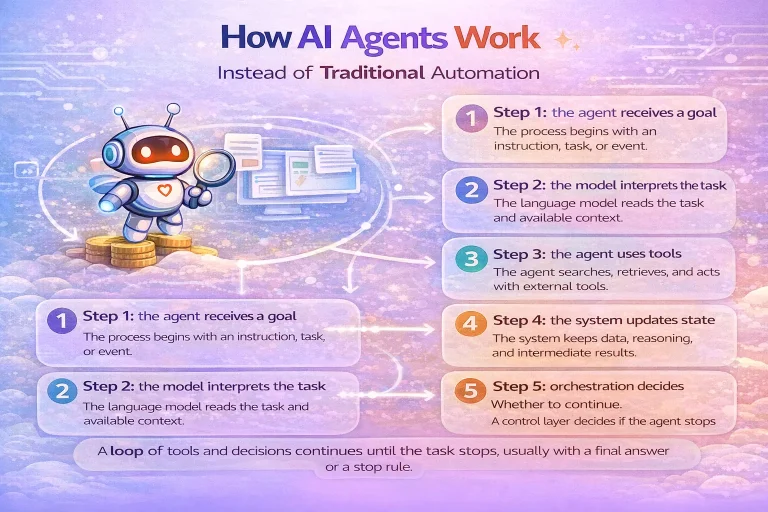
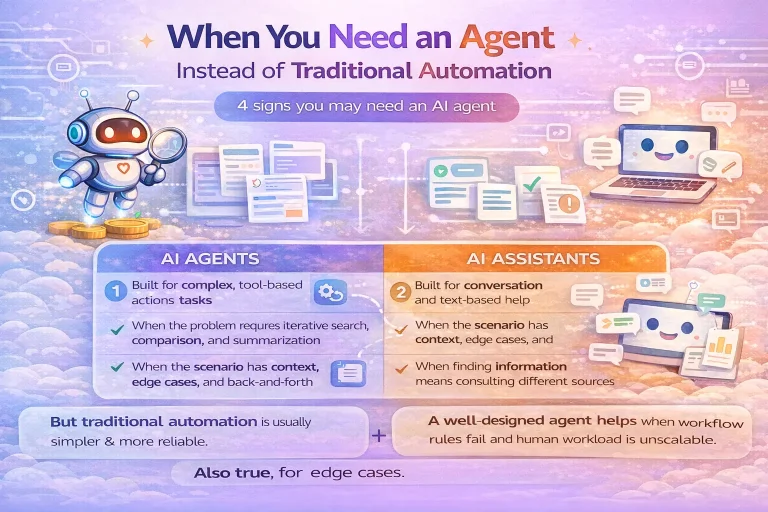
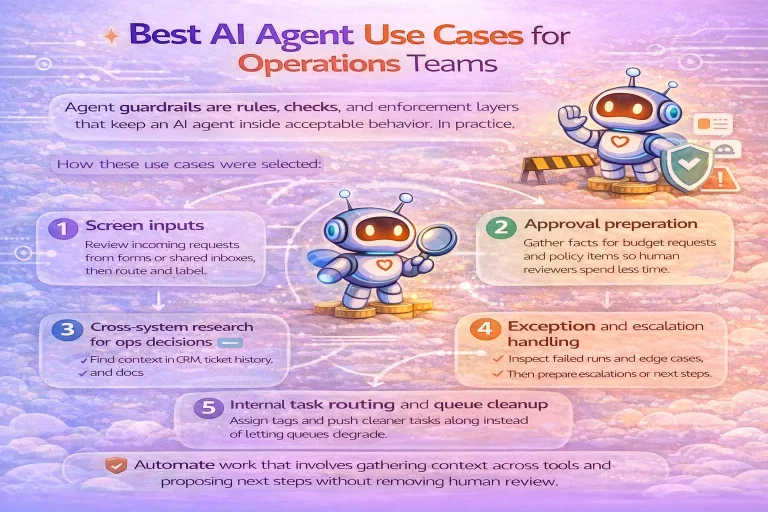
Developers use OpenClaw to build AI systems that can operate with a higher level of autonomy compared to traditional automation tools. It supports creating agents that can reason through tasks, call external tools, and execute multi-step workflows dynamically. This makes it suitable for building research agents, automation pipelines, and AI-driven applications that require flexible decision-making and orchestration. On workflowlibrary.ai, OpenClaw is often used as the execution layer behind AI agent templates and autonomous workflow systems.
Core capabilities
- AI agent orchestration for autonomous workflows
- Integration with LLMs and external tools
- Support for multi-step and dynamic task execution
- Flexible workflow design for agent-based systems
- API integration and tool-calling capabilities
- Extensible architecture for custom AI workflows
Who it is best for
OpenClaw is best for developers, AI engineers, and technical teams building AI agent systems and LLM-powered automation workflows. It is particularly suitable for projects that require autonomous task execution, dynamic decision-making, and integration with multiple tools or APIs. It also works well for startups and builders developing AI automation platforms, research agents, and agent-driven applications where flexibility and orchestration are essential.
Best For
OpenClaw is best for developers, AI engineers, and technical teams building autonomous AI agents and LLM-powered workflows. It is particularly suitable for projects that require dynamic task execution, integration with external tools and APIs, and flexible orchestration of multi-step processes. It also works well for builders creating AI automation systems, research agents, and applications that rely on autonomous decision-making and agent-driven workflows.
Key Features
- AI agent orchestration framework
- Support for autonomous workflows
- Integration with LLMs and APIs
- Dynamic task execution and planning
- Tool-calling and external integrations
- Flexible workflow design
- Extensible architecture for custom use cases
- Multi-step agent workflows
Pros
- Designed for autonomous AI workflows
- Flexible and extensible architecture
- Open source and customizable
- Good fit for advanced AI agent systems
- Supports integration with external tools and APIs
- Enables dynamic and adaptive workflows
Cons
- Requires strong technical knowledge
- Not suitable for non-technical users
- Smaller ecosystem compared to established frameworks
- Documentation and tooling may still evolve
- Requires setup and infrastructure management
- Limited visual interfaces compared to no-code tools