
Automation Platforms

Zapier

Zapier is a workflow automation tool for connecting apps, APIs, and automating business processes without code.

Visit Website
Pricing Freemium
API Yes
Open Source No
Self Hosted No

About This Tool

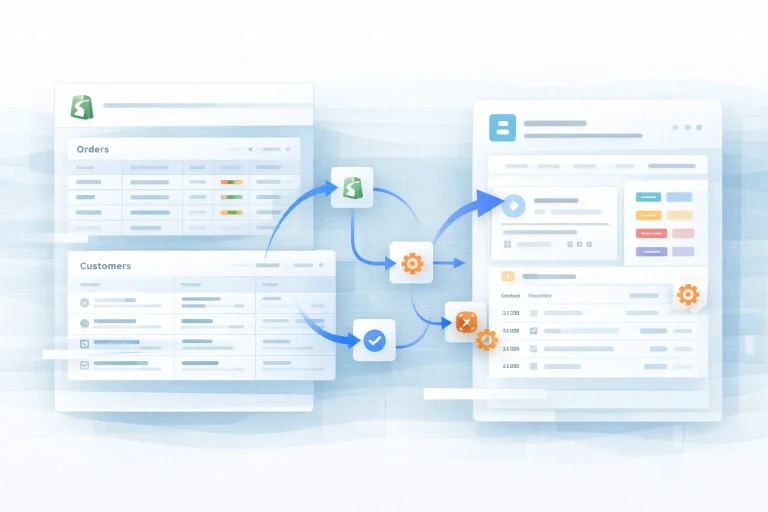
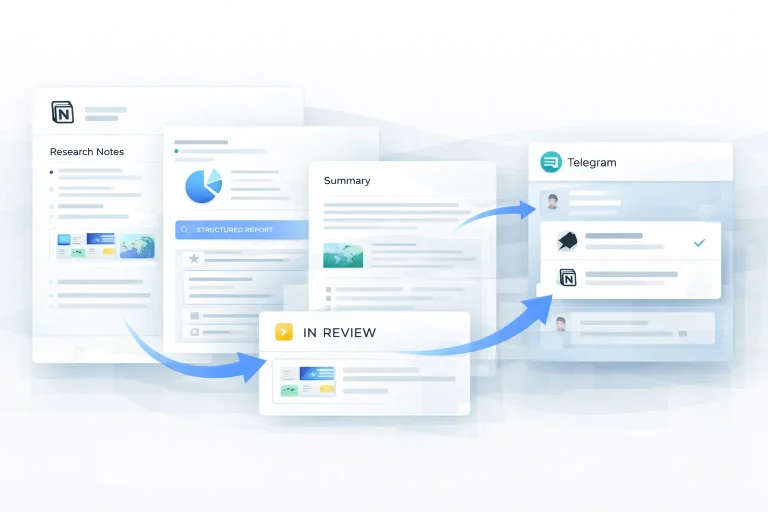
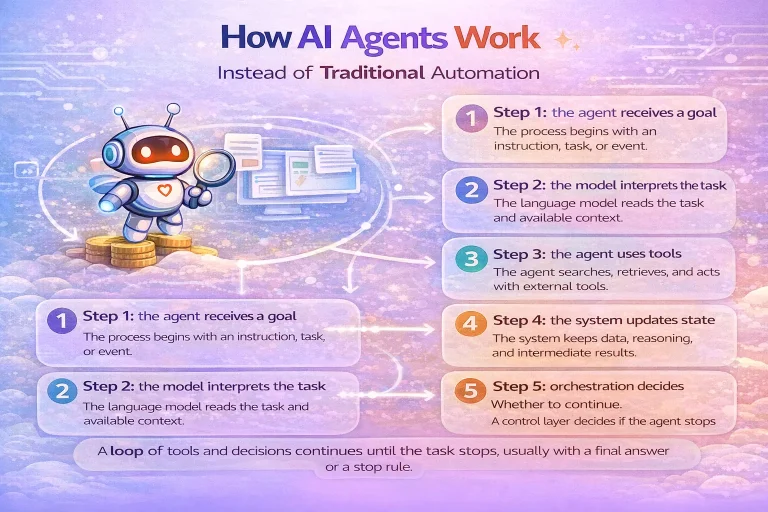
Zapier is a workflow automation tool that connects apps, APIs, and business systems to automate repetitive tasks without requiring code. It is widely used for building automation workflows that move data between tools, trigger actions across platforms, and streamline processes across marketing, sales, support, and operations. With a large ecosystem of integrations and a focus on ease of use, Zapier is often used as the execution layer behind automation workflows and AI-powered systems.

Why people use Zapier

Teams use Zapier to reduce manual work and quickly connect SaaS tools without relying on engineering resources. It allows users to create workflows that automate lead routing, notifications, data synchronization, and follow-up actions across apps. Because of its simplicity and wide integration coverage, Zapier is often chosen by non-technical teams who need fast automation and reliable execution across multiple tools. On workflowlibrary.ai, Zapier commonly powers automation templates for lead generation, marketing workflows, and internal processes.

Core capabilities

  • Connects thousands of apps for cross-platform automation
  • No-code workflow builder for creating trigger-action automations
  • Multi-step workflows with conditional logic
  • Webhook and API-based automation support
  • Prebuilt integrations and automation templates
  • AI-powered workflow features and automation enhancements

Who it is best for

Zapier is best for non-technical users, operations teams, marketers, and startups that need to automate workflows quickly without building custom integrations. It is particularly suitable for teams managing multiple SaaS tools, handling repetitive processes, or creating automation for lead generation, notifications, and data syncing. It is also a strong choice for businesses that prioritize ease of use, fast setup, and a large integration ecosystem over infrastructure control.

Best For

Zapier is best for non-technical users, operations teams, marketers, and startups that need to automate workflows quickly across multiple SaaS tools. It is particularly suitable for teams handling lead routing, notifications, data synchronization, and repetitive business processes without relying on developers. It also works well for organizations that prioritize speed, ease of use, and a large integration ecosystem when building automation workflows and AI-assisted processes.

Key Features

  • Large app integration ecosystem
  • No-code workflow builder
  • Multi-step automation workflows
  • Webhook and API support
  • Prebuilt automation templates
  • AI workflow capabilities
  • Conditional logic and filters
  • Cloud-based automation platform

Pros

  • Extensive integration library across SaaS tools
  • Easy to use for non-technical users
  • Fast setup and deployment
  • Strong fit for common business automation workflows
  • Reliable cloud-based execution
  • Good for connecting multiple apps quickly

Cons

  • Can become expensive at scale with usage-based pricing
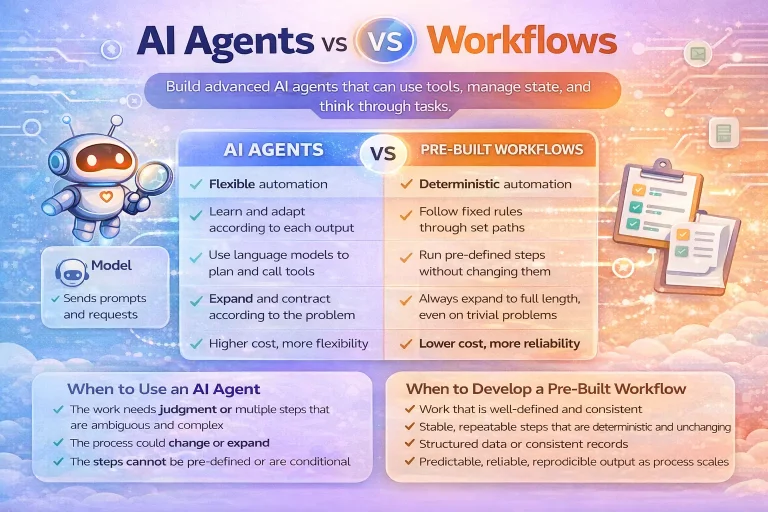
  • Limited control compared to self-hosted tools
  • Not open source
  • Complex workflows can be harder to manage
  • Less flexibility for advanced custom logic
  • Dependent on cloud infrastructure