
Automation Platforms

Make

Make is a visual workflow automation tool for building complex app integrations and API-driven automations.

Visit Website
Pricing Freemium
API Yes
Open Source No
Self Hosted No

About This Tool

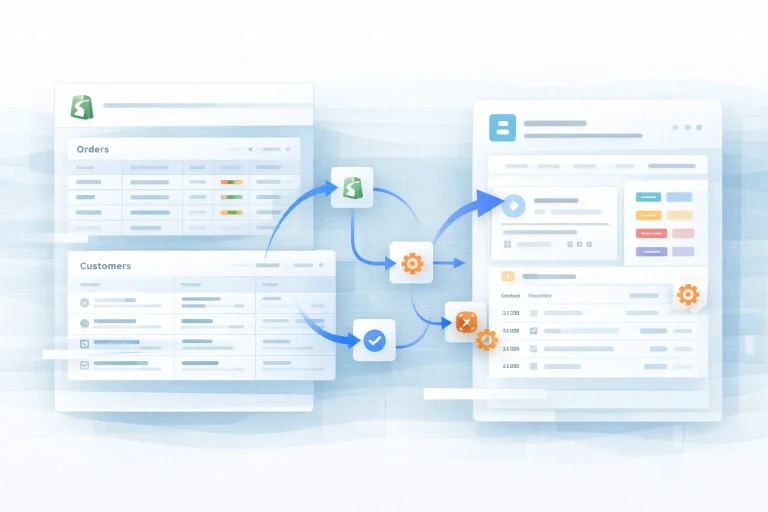
Make is a workflow automation tool that allows users to connect apps, APIs, and data sources through a visual workflow builder. Originally known as Integromat, Make is designed for building complex automation scenarios that go beyond simple trigger-action workflows. It is widely used for API automation, multi-step workflows, and advanced integrations where control over logic and data handling is important.

Why people use Make

Teams choose Make when they need more flexibility than typical no-code automation tools. Its visual scenario builder allows users to design workflows that include branching logic, error handling, data transformation, and conditional routing. This makes it especially useful for automation-heavy operations, backend workflows, and integrations that involve multiple systems. On workflowlibrary.ai, Make is commonly used as the execution layer behind advanced automation templates and API-driven workflows.

Core capabilities

  • Visual workflow builder for designing multi-step automation scenarios
  • Strong support for API integrations and custom HTTP requests
  • Advanced logic including branching, filtering, and conditional execution
  • Data transformation tools for handling complex payloads
  • Scheduling, triggers, and real-time automation support
  • Extensive integration library across SaaS tools and services

Who it is best for

Make is best suited for automation builders, developers, operations teams, and technically inclined users who need more control over workflows than basic no-code tools provide. It is particularly useful for teams building scalable automation systems, integrating APIs, or managing complex business logic. Compared to Zapier, Make is often preferred when workflows require deeper customization and flexibility.

Best For

Make is best for automation builders, operations teams, and technically inclined users who need more flexibility and control over workflow logic than basic no-code tools provide. It is particularly suitable for teams working with APIs, handling complex multi-step processes, or building scalable automation systems across multiple apps. It also works well for businesses that require advanced data processing, conditional workflows, and backend automation without fully relying on custom code.

Key Features

  • Visual drag-and-drop workflow builder
  • Multi-step automation scenarios
  • Advanced conditional logic and branching
  • API integrations with custom HTTP requests
  • Data transformation and mapping tools
  • Scheduling and real-time triggers
  • Error handling and retry mechanisms
  • Integration with hundreds of SaaS apps

Pros

  • More flexible than basic no-code automation tools
  • Strong support for API-based workflows
  • Visual interface makes complex logic easier to manage
  • Suitable for advanced and scalable automation systems
  • Good balance between no-code and technical control

Cons

  • Steeper learning curve than simpler tools like Zapier
  • Interface can be complex for beginners
  • Usage-based pricing can increase with heavy automation
  • Not open source and not self-hosted
  • Requires more setup time for advanced workflows